湖南卫视、芒果TV美食人文类纪录片《傲椒的湘菜》第三季定档,于1月29日起,每周一至周四晚19:30播出。湘人不甘平庸,敢为人先,湘菜独具傲骨,乘风破浪,记录湘人出湘,体验别样视角。
We only know the end of the story...and that's just the beginning.
戲棚,一座座以竹竿搭建而成的臨時劇場,每年都會出現在香港不同的角落,漁村、鄉鎮、小島與市區,可謂到處都有它們的築跡。這早於一百五十年前已出現的文化場所,是香港獨有保存的非物質文化遗產,集結戲棚搭建技藝丶民間風俗與戲曲藝術於一身。 影片豐富紀錄這文化場所出現的不同族群:戲棚師傅如何搭建容納千人的劇場空間鄉民如何參與娛神娛人的酬神活動劇團如何搬演一段段扣人心弦的戲曲表演。透過鏡頭·帶蓍觀眾遊走於他們當中,傾聽他們的對話丶了解他們的生活·感受這一座座戲棚蘊藏的魅力。
攀登家于1000英尺陡峭悬崖的真实体验,为求于悬崖壁上寻找未被发现的动物物种。
The Pickup Game is an inside look at the emergence of the 'pickup' industry - a business where self-styled seduction coaches travel the world, charging a small fortune to teach men skills they claim will guarantee success with women. For the instructors who are successful, it is a highly lucrative occupation, with many companies earning millions of dollars a year. It is also an industry rife with controversy and scandal. Several teachers have been deported from countries for their contentious methodologies and pickup businesses are often the subject of fierce public criticism. Despite this, men the world over collectively spend hundreds of millions of dollars to attend seminars, download online courses and have one-on-one coaching sessions with instructors they feel can give them the dating life of their dreams. In the minds of students, many of these instructors become more than just teachers. They become idols. From the glossy exterior, where courses are packaged as
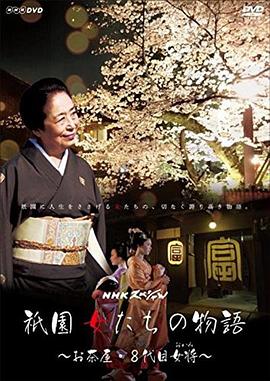
江戸時代から続く、日本最大の花街、京都・祇園。わずか1キロ四方に狭い路地に、60軒あまりのお茶屋が軒を連ね、百人を超える芸舞妓が暮らしている。日が暮れると、お座敷と呼ばれる宴会が開かれ、お茶屋に芸舞妓が吸い込まれていく。一見さんお断り。その敷居をまたぐことができるのは、ひと握りの人々である。ここで、200年間続くお茶屋を守ってきた女性がいる。8代目の女将・太田紀美さん、77歳である。最高のもてなしを求め、やってくる国内外のお客ひとりひとりの好みを頭に入れ、芸舞妓の手配から食事、お座敷の一切を取り仕切り、効率を度外視した「情」で客に尽くす。 太田さんのお茶屋には代々続く、家訓がある。「当主は女。結婚しないこと」。そのしきたりは、祇園で働く女性にも同じである。結婚する時はすなわち、街を出る時である。太田さんは、そのしきたりを守り、200年の老舗を守り抜いてきた。 桜が咲き、街が最もにぎわう美しい季節に、祇園で生きることを選んだ女性たちの切なく、誇り高い物語を描く。
民主化歷史的詮釋,多半是由不同陣營的菁英們互動詮釋而成,往往只點到了支持群眾的身影,而無臉孔。本片導演是一個充滿困惑的二十多歲的年輕人,透過兩個挫敗的基層街頭運動者的生命歷程,重新回溯近四十年來台灣社會的民主化歷程。並且試圖理解,反抗者們的初衷是什麼,以及他們本身的狀態為何侷限了理想的實踐。
Narrated by Oscar-winning actor Jeremy Irons, The Genius of George Boole assembles academics and industry leaders from across the globe to explore the life and importance of one of the world's greatest mathematicians and unsung heroes. This film shines new light on the legacy of George Boole, now recognized as the forefather of the information age.
In 2007 Banksy goes to Palestine to paint on walls. Someone takes offense at a piece depicting an Israeli soldier checking a donkey's ID. A local taxi driver decides to cut it off and sell it back to the West. This is the story of the Palestinian perspective and reaction to street art through the work of its most celebrated hero. The story of an illegal black market of art stolen from streets around the world, cultures clashing in the face of an unsustainable political situation and finally of the changing perception on street art. It is not one story, but many. Like Banksy's art would be meaningless without its context, so the absence of it would be meaningless without an understanding of the elements that brought his artwork from Bethlehem to a Western auction house, along with the wall it was painted on.
正对濑户内海的冈山县牛窓市,虽然隶属于濑户内市,不过却被称为“日本的爱琴海”,此外《万叶集》中诗人柿本人麻吕对它的吟咏歌颂也让这座小城镇自古以来就为世人所熟知。靠海吃海的冈山县是日本境内仅次于广岛的牡蛎产地,当地人世代从事牡蛎的养殖工作。但是随着人口过疏化和老龄化问题的日益严重,从前牛窓市内的20所牡蛎加工厂已经锐减到6所了。为了缓解劳动力短缺的现状,这些工厂近些年开始接收来自中国的工人。受东日本大地震影响,原本在宫城县南三陆町世代经营牡蛎工厂的渡边先生不得不搬到牛窓,重新白手起家。他的工厂招进了两名中国人,语言、生活习俗的差异让彼此都感到艰难。附近的工厂里,则有中国工人一去不返的情况出现。举步维艰的牡蛎工厂,是否能够延续下去? 本片是导演想田和弘“观察映画”系列的第六部。